Dead branches on a tree are common in yards, but homeowners often hesitate to address them because they look harmless. Many assume a dry limb is only an aesthetic issue, yet deadwood can become a safety threat to people, structures, and utilities. The first step is understanding how a static-looking limb turns into an active hazard.
When a dead limb fails, it can damage roofs, cars, fences, and landscaping, and it can injure anyone standing beneath. Weather, decay, and hidden structural weaknesses all increase the chance of a sudden fall. In short, leaving dead branches unchecked can turn a manageable chore into an urgent property risk.
This article explains how to recognize dangerous tree limbs, what factors increase risk, and how different responses reduce hazards while preserving healthy trees where possible. The goal is to give clear, practical guidance so you can make informed decisions about deadwood removal and prevention.
When Do Dead Branches on a Tree Become Dangerous?
Dead branches on a tree can be dangerous because they are more likely to break and fall than healthy limbs. Deadwood loses flexibility and strength, and it often detaches unexpectedly under its own weight or from minor wind. That risk increases when a limb extends over places people use or structures like homes and sheds.
The danger level depends on the size, position, and condition of the limb. Small twigs may be a nuisance, but large limbs falling from height carry enough energy to damage roofs or vehicles. A thorough visual assessment looks for indicators such as bark loss, fungal fruiting bodies, and brittle wood that snaps rather than bends.
How to Tell When Deadwood Becomes a Property Risk
Look for three clear warning signs to determine when deadwood becomes a real property risk. First, any dead limb that overhangs a building, driveway, or play area moves from aesthetic concern to potential hazard. Second, large-diameter dead limbs carry far more force on impact, so size matters more than you might expect.
Inspect the attachment point at the trunk carefully because a compromised union is often the real problem. Cracks, open cavities, or decay at the base of a limb mean the remaining connection is weak, even if the limb still appears intact. Regular seasonal checks can spot progressive decay before an abrupt failure occurs.
Warning Signs of a Higher-Risk Dead Branch
Fungal growth, hollow sections, and loose bark are reliable visual cues of structural decline. Fungi often colonize dead wood and indicate internal rot that is not visible from the outside. Hollow or soundless wood when tapped is another sign that the limb may break unpredictably.
Avoid standing directly under suspicious branches during inspection for safety, and consider photographing problem areas to track change over time. Documenting conditions helps prioritize which limbs need immediate attention and which can be monitored.
When Deadwood Removal or Full Tree Removal May Be Needed
Remove dead branches when they pose a clear threat to people or property or when decay at the attachment point endangers the supporting tree. Targeted deadwood removal, sometimes called crown cleaning, reduces the immediate falling hazard without removing live tree material. If the main trunk or multiple major limbs are compromised, then full tree removal may be the safer long-term option.
Professionals assess whether selective cutting or complete removal best reduces risk while considering tree health and site conditions. For example, a single large dead limb over a house might be removed on its own, while a trunk with extensive decay may require taking down the whole tree. When removal is needed for safety or access, trained crews use techniques that limit collateral damage to surrounding vegetation and structures.
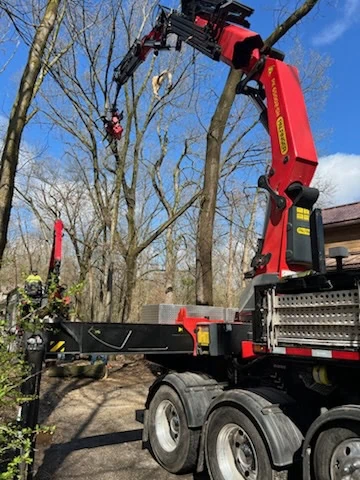
When complex removals are required because of limited access or proximity to structures, specialized crews and equipment are often used. VanGordon’s informational resources discuss options for safely taking down hazardous trees, and homeowners should weigh the complexity of the job when planning removal tasks. For major removals, consult experienced crews to review options and safe procedures related to full-tree work and site protection, such as those summarized on the tree removal services page.
How Professionals Handle Deadwood Removal and Pruning
Professionals prioritize safety, structural assessment, and minimizing harm to the living parts of the tree when performing deadwood removal and pruning. Proper pruning follows principles that keep the tree healthy, remove unstable material, and leave sound pruning cuts that encourage recovery. Removing only what is necessary helps preserve shade, root stability, and the long-term value of the tree.
Trained tree care professionals use techniques such as sectional lowering to control falling debris and protect structures and people below. They also look for codominant stems, included bark, and other risk factors that may warrant corrective pruning. For routine shaping, crown cleaning, or corrective cuts, professional guidance can also inform timing, and resources about pruning practices are available on tree trimming and pruning.
Routine pruning and the removal of deadwood also improve wind flow through the canopy. That said, aggressive or improper pruning can harm a tree and increase long-term hazards, so assessment and measured cuts performed by knowledgeable personnel yield better outcomes than ad hoc trimming.
What to Do With Dangerous Tree Limbs After a Storm
In storms or after severe weather, treat fallen limbs and unstable trees as immediate hazards requiring quick assessment and, often, professional response. The International Society of Arboriculture provides storm-damage guidance that explains when a site is unsafe and how to approach emergency situations methodically. Wind, ice, and lightning dramatically raise the failure risk for dead limbs that were marginally secure in calm weather.
If a limb has fallen on a structure, power line, or vehicle, avoid the area and do not attempt to remove it yourself unless you are trained and equipped for the task. Emergency crews and utility companies manage power line hazards, and tree professionals trained in emergency response can make rapid, safe removals. For fast response needs and after-hours danger, crews that provide emergency tree service can evaluate and stabilize trees and debris in hazardous situations.
How to Prevent Deadwood From Becoming a Future Hazard
Regular inspections and proactive pruning reduce the chance that deadwood becomes a danger to your property. Inspect trees at least once a year and after major storms to identify progressive decay, pest infestations, and structural defects. Early pruning or selective thinning can reduce weight on weak limbs and improve canopy balance.
Healthy maintenance begins with soil care, proper mulching, and watering during drought conditions to keep trees vigorous and less susceptible to disease and decay. Documenting maintenance activities and changes in tree condition helps homeowners make better decisions about future work.
Related Resources for Next Steps
For more detail, review VanGordon’s tree removal services page and its tree trimming and pruning resource before making a final plan. These pages provide additional context about the services and decisions discussed above while keeping the focus on what applies to your property and priorities.
You can also explore emergency tree service when that aspect of the project affects your situation. For independent background, International Society of Arboriculture storm-damage guidance offers high-authority educational guidance that supports a careful, informed decision.
Frequently Asked Questions
1. Are Dead Tree Branches Dangerous to People Standing Under Them?
Dead tree branches can be dangerous if they are large, poorly attached, or positioned over areas where people gather. VanGordon recommends that homeowners in Highland, MI, and surrounding service areas treat any large overhanging dead limbs as potential hazards and avoid being beneath them until they are assessed. If a limb is cracked at the attachment point or shows decay, it is more likely to fail without warning. An assessment by trained personnel can clarify immediate risk and next steps.
2. How Do I Tell the Difference Between a Dead Limb and Dormant Growth?
Dead limbs usually have dry, brittle wood, missing leaves in season, and may show fungal growth or looser bark compared with live branches. VanGordon advises property owners in Highland, MI, and surrounding service areas to look for these indicators and monitor suspect limbs across seasons before assuming dormancy. Dormant branches typically retain intact buds and flexible green wood when cut. When in doubt, a professional inspection can resolve uncertainty without harming the tree.
3. Is Pruning Enough for a Dead Limb Over My House?
Pruning may be sufficient if the limb is dead but not structurally compromised at the trunk and if the remainder of the tree is healthy and stable. VanGordon notes for homeowners in Highland, MI, and surrounding service areas that the decision depends on attachment strength, limb size, and the potential for future failure. If the limb is large or the trunk shows decay, full removal of the limb or even the tree may be the safer choice. A site-specific evaluation will identify the safest course.
4. What Should I Do Immediately After a Storm Damages Trees on My Property?
After a storm, prioritize safety by staying away from hanging limbs, leaning trees, and material resting on structures or power lines. VanGordon recommends that residents in Highland, MI, and surrounding service areas avoid touching fallen limbs near utility lines and contact professionals for a safe assessment. Photographing damage can help document conditions for repair and insurance purposes. If immediate stabilization is required, contact crews trained in emergency response to reduce ongoing hazards.
Conclusion
Understanding dead branches on a tree starts with recognizing when ordinary deadwood has become a safety concern. Homeowners in Highland, MI, and surrounding service areas can watch for large overhanging limbs, weak attachment points, fungal growth, cavities, and other signs that increase the risk of sudden branch failure.
Get Professional Help With Dangerous Dead Branches in Highland, MI
VanGordon can assess hazardous dead branches, advise on pruning or removal options, and coordinate safe work when a risk is identified in Highland, MI, and surrounding service areas. Use the company website or contact form to describe the situation and request more information on the appropriate steps. The team can help you understand options, timing, and safety measures for reducing deadwood hazards on your property.